
The automotive industry is currently at a critical inflection point. As of early 2026, the transition to electric mobility has moved beyond early adopters into the mainstream, yet the purchasing process remains fundamentally different from traditional internal combustion engine (ICE) vehicles. Buying an electric vehicle (EV) is no longer just about choosing a trim level; it is about auditing your lifestyle, geography, and home infrastructure. With federal tax credits having expired on September 30, 2025, the market has shifted toward a value-driven competition where engineering efficiency and charging curves dictate a vehicle’s true worth. This guide deconstructs the essential technical and financial variables—from the chemistry of the LFP Blade battery to the nuances of Level 2 home integration—to ensure your transition to electric is both seamless and future-proof.
KEYTAKEAWAYS
- Infrastructure First: Home Level 2 charging is the "gold standard" for EV ownership; relying solely on public DC fast charging can increase long-term battery degradation and cost 3x more per kWh.
- The 80/10 Rule: To maximize lithium-ion battery longevity, daily operation should stay between 10% and 80% state of charge (SoC), effectively meaning 30% of advertised range is reserved for emergency/long-trip use.
- Thermal Impact: In temperatures below 32°F (0°C), EVs without heat pumps can lose up to 40% of their range due to cabin heating demands and reduced chemical activity in the cells.
- Standardization: The adoption of the North American Charging Standard (NACS) has unified the charging experience, giving most 2026 models native access to the Tesla Supercharger network.
1. Defining the "Range Requirement" Beyond EPA Estimates
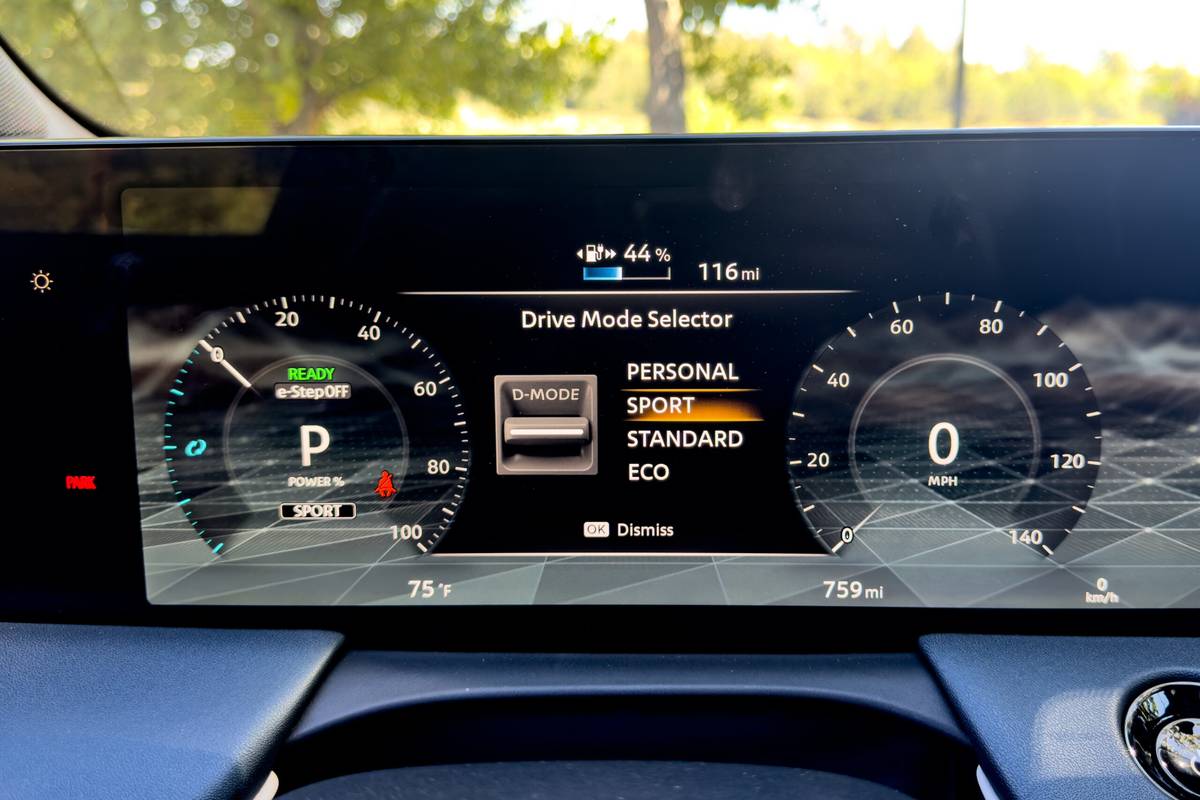
While 300 miles has become the psychological benchmark for EV range, the "real-world" range is a dynamic figure influenced by speed, temperature, and battery health. In 2026, we categorize range into three distinct tiers based on driving habits.
The 2025/2026 market offers extremes: the Lucid Air Grand Touring leads with a 512-mile capacity, while the Fiat 500e serves urban needs with 141 miles. However, buyers must account for the "Cold Weather Penalty." Modern EVs with heat pumps mitigate this, but a vehicle rated at 250 miles can drop to 150 miles in sub-zero Chicago winters. Furthermore, EPA highway ratings are typically 10-15% lower than city ratings because EVs lack multi-speed transmissions and cannot benefit from regenerative braking at sustained high speeds.
2. The Hierarchy of Charging: From 120V to 350kW
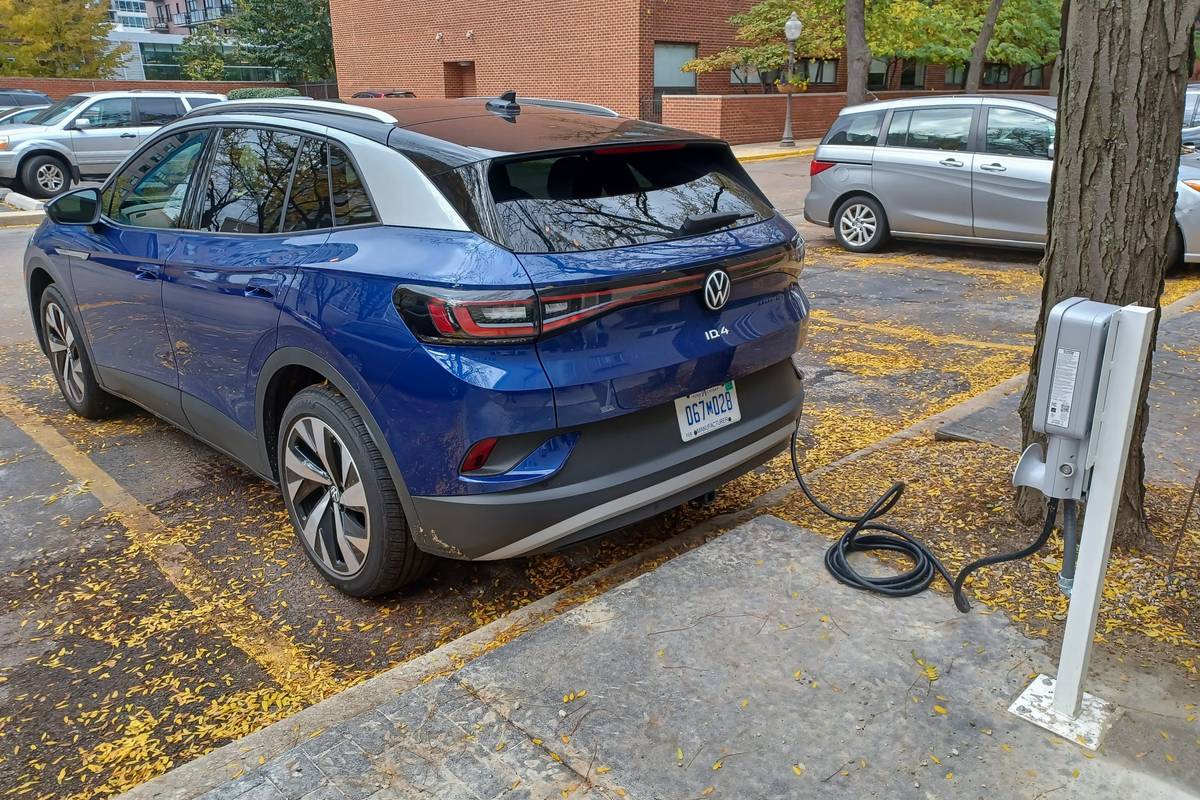
Understanding the "refueling" process is the most significant learning curve for new owners. Charging is not a linear process; it follows a "charging curve" where the speed slows down significantly as the battery fills up.
- Level 1 (120V): Essentially "trickle charging." It adds 3-5 miles per hour. This is only viable for plug-in hybrids or extremely low-mileage commuters.
- Level 2 (240V): The home essential. Using a 48-amp hardwired circuit, you can replenish a full battery in 8-12 hours. Average professional installation costs in 2026 range from $2,400 to $3,800.
- DC Fast Charging (Level 3): Ranging from 50kW to 350kW. High-voltage 800V architectures found in the Hyundai Ioniq 5 can charge from 10% to 80% in under 18 minutes.
3. Engineering Performance: Torque, Weight, and AWD
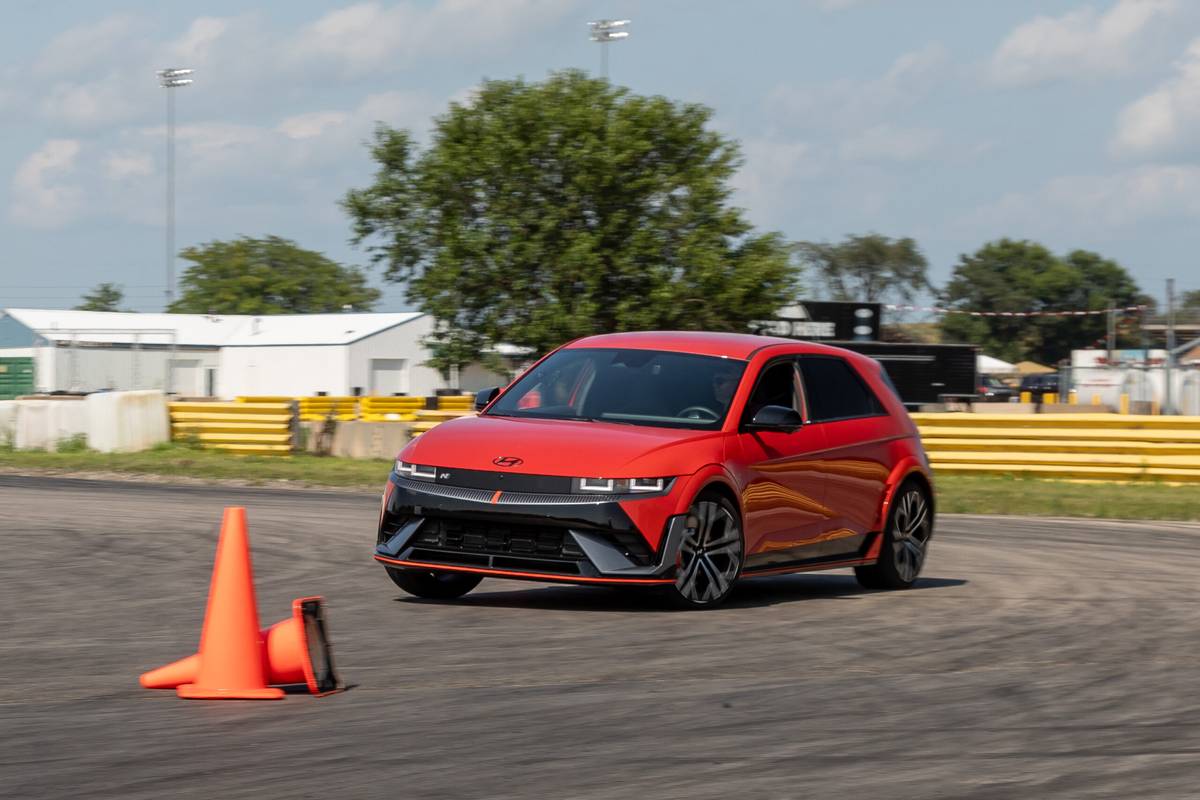
EVs drive with a "linear" power delivery that traditional gas cars cannot match. Because electric motors produce maximum torque at 0 RPM, even a value-oriented Chevrolet Equinox EV feels more responsive in city traffic than a V6 sedan. However, the engineering trade-off is weight. A 2026 Kia EV9 weighs significantly more than its gas equivalent due to the battery pack. This mass actually aids in traction during winter, especially in Rear-Wheel Drive (RWD) configurations. Regenerative braking—specifically "One-Pedal Driving"—allows the motor to act as a generator when you lift off the accelerator, slowing the car while putting energy back into the battery.
4. The 2026 Market Landscape and Pricing
With the expiration of the $7,500 federal tax credit in late 2025, manufacturers have adjusted MSRPs to remain competitive. The average EV list price remains higher than ICE vehicles (approx. $66,000 vs. $49,000), but the Total Cost of Ownership (TCO) often breaks even within 3-5 years due to lower fuel and maintenance costs.
Top Industry Picks for 2026:
| Category | Model | Key Strength |
|---|---|---|
| Best 2-Row SUV | 2026 Hyundai Ioniq 5 | 800V Ultra-fast charging. |
| Best 3-Row SUV | 2026 Kia EV9 | True family utility & range. |
| Best Luxury | 2026 Lucid Air | Highest efficiency (miles/kWh). |
| Best Value | 2025 Chevy Equinox EV | Range at a sub-$40k price. |
EV Buying Guide FAQ
Q: If I can't install a Level 2 charger at home, should I still buy an EV?
A: We generally do not recommend it unless you have reliable charging at your workplace. Relying exclusively on public DC fast chargers is significantly more expensive (often parity with gas prices) and the constant high-voltage heat can accelerate battery degradation over several years. Level 2 home charging is what makes the EV experience convenient and cost-effective.
Q: Is it true that EV batteries need to be replaced after 8 years?
A: Federal law requires a minimum warranty of 8 years or 100,000 miles on EV batteries. Modern 2026 data shows that most batteries retain 85-90% of their capacity after 150,000 miles. Total replacement is rare and usually only occurs due to manufacturing defects, not normal age.
Purchasing an EV in 2026 is a commitment to a new ecosystem of mobility. While the upfront costs may be higher, the technological benefits—instant response, silent operation, and home "refueling"—offer a superior daily driving experience. By auditing your home’s electrical capacity and understanding the real-world range of your chosen model, you can transition into the electric era with absolute confidence.